


Sudoku Rules
Sudoku is a Japanese puzzle where you need to write numbers according to specific algorithms (so they don't repeat vertically, horizontally, or diagonally). In simple Sudoku, you need to fill in the missing numbers in 3x3 cells. Complex Sudoku can have more than three rows and three columns, up to 6x6, 9x9, or more cells.
In the classic Sudoku version, you have nine three-by-three blocks where you need to enter numbers from one to nine. The basic rules are as follows:
- · Vertical numbers cannot be repeated.
- · Horizontal numbers cannot be repeated.
- · Numbers can only appear once in 3x3 squares.
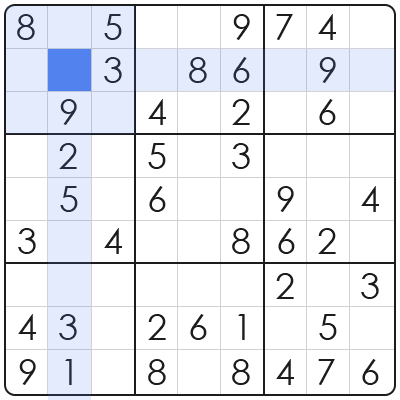
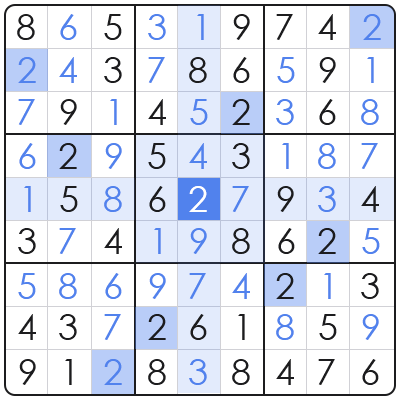
The rules of classic Sudoku mean that some numbers are already fixed at the beginning. This makes it easier to analyze the grid and find the missing values. The number of empty cells and numbers depends on how challenging you want the puzzle to be. The higher the challenge level, the fewer cells are filled in (so you need to use specific techniques to quickly and accurately fill the entire grid).
Once you enter all the numbers into the fields, you're done. You can continue to the next one.
Sudoku Techniques
Last Free Cell
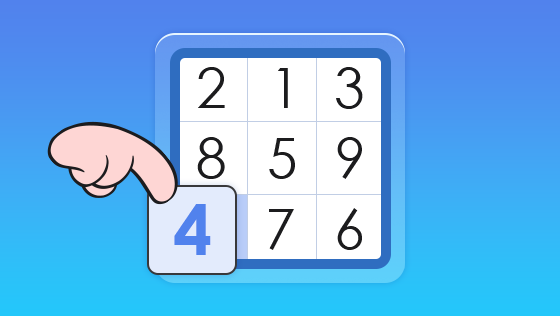
A basic Sudoku technique where a row, column, or 3×3 box has only one empty cell remaining, so the missing number can be placed immediately.
Continue Reading →
Last Remaining Cell
A strategy where a specific number can appear in only one position within a row, column, or box after eliminating other possibilities.
Continue Reading →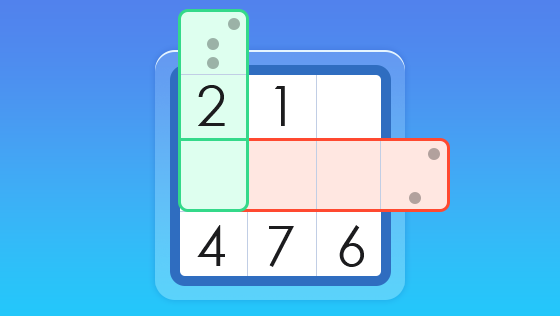
Last Possible Number
A technique where a cell has only one valid candidate number left after checking all row, column, and box restrictions.
Continue Reading →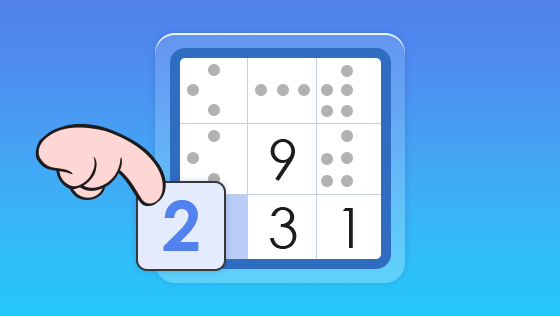
Obvious Singles
A technique where a cell contains only one possible candidate number, making it the obvious solution for that position.
Continue Reading →
Sudoku Notes
A method of writing small candidate numbers in empty cells to track possible values and assist with logical elimination.
Continue Reading →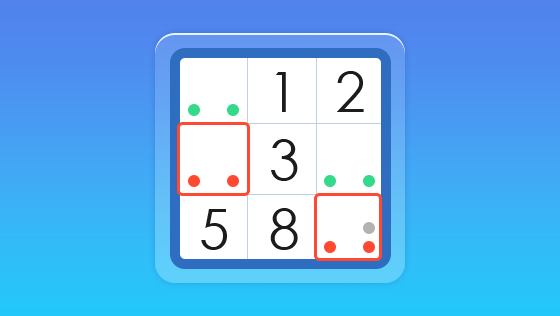
Obvious Pairs
A pattern where two cells in a unit share the same pair of candidate numbers, allowing those numbers to be eliminated from other cells in that unit.
Continue Reading →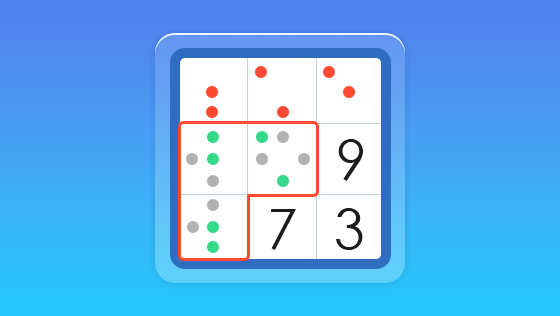
Obvious Triples
A strategy where three cells contain only three possible numbers between them, restricting those numbers to those cells.
Continue Reading →
Hidden Singles
A technique where a number appears only once as a candidate within a row, column, or 3×3 box.
Continue Reading →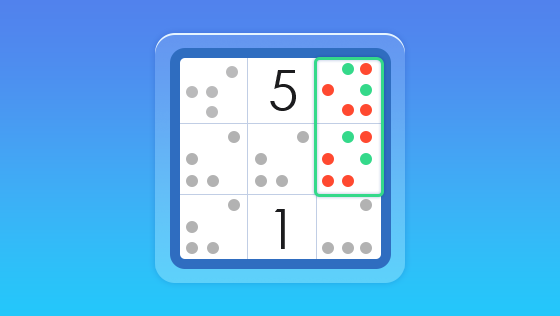
Hidden Pairs
A pattern where two numbers appear only in the same two cells within a unit, allowing other candidates in those cells to be removed.
Continue Reading →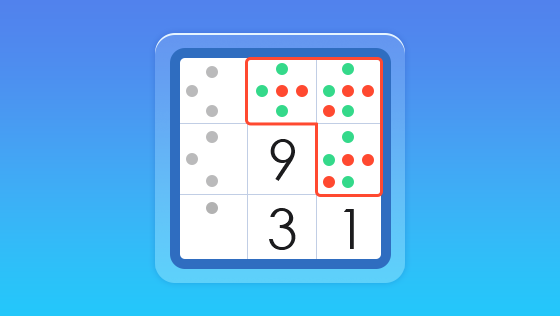
Hidden Triples
A technique where three numbers appear only within three specific cells in a unit, enabling elimination of other candidates.
Continue Reading →